
We have all had this experience: You and a friend decide to grab some food and catch up, but you canât agree on what sort of meal you should have. The food cart pods downtown, while varied and unquestionably delicious, get cold and wet in the winter. Neither of you have enough time to go to a sit down restaurant. The food court in the mall does not quite have the atmosphere that you are both looking for, either.
The idea of fast-casual dining, where quality food is served at a faster pace than traditional sit-down restaurants, is not a new one. This is especially true in a food-conscious city like Portland, which is likely why food halls have been gaining traction for the last year. Food hall vendors donât tend to have large menus, focusing instead on perfecting one or two dishes; yet having all of these vendors under the same roof makes for a remarkably diverse menu overall. Additionally, food halls often carry a shared liquor license, so that any alcohol can be carried and consumed between micro restaurants in the common dining space.
Insofar as investments go, food halls are not nearly as expensive or risky as opening an entire standalone restaurant. This gives small businesses (food carts, for example) more and better opportunities for expansion and exposure. Each micro restaurant front is designed with the ownerâs personal style and flair, something that makes for a multifaceted and exciting overall atmosphere that patrons enjoy being a part of.
Currently there are three food halls in Portland: Pine Street Market, Cart-Lab, and the Zipper. Soon there will also be the Portland Food Hall, and with the trend gaining so much momentum there will likely be more in the future. Having so many different cuisines accessible under the same roof means there is something for everyone in a food hall, which is probably the most genius thing about them.

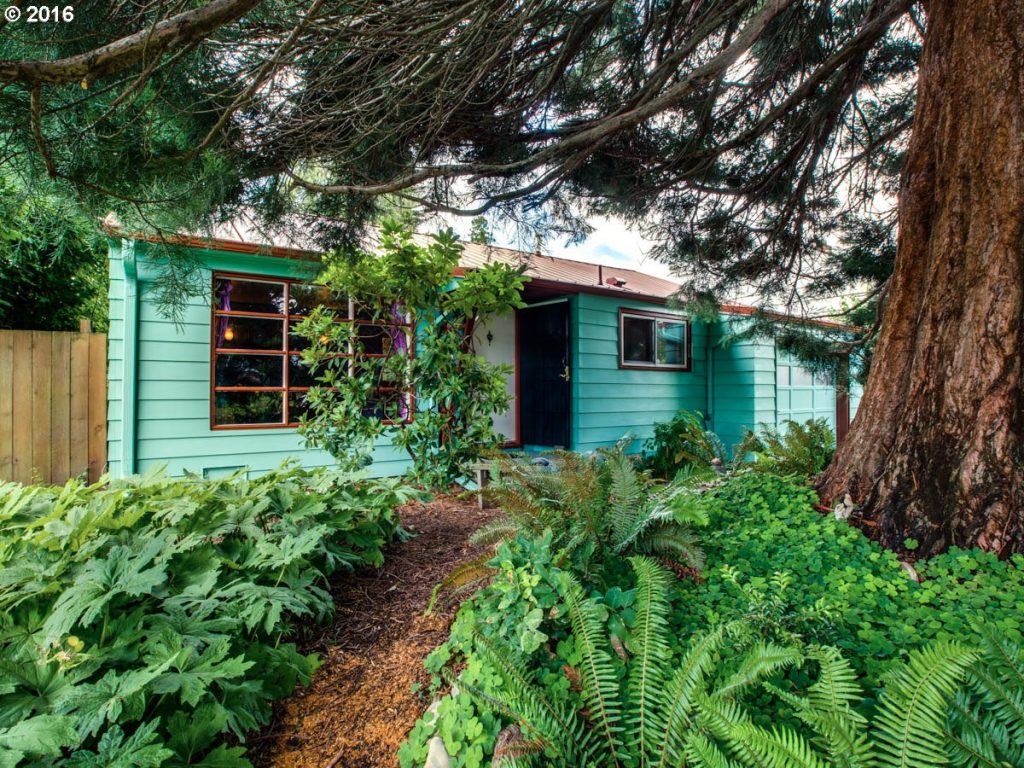
 Eccentric, vibrant colors are in. This is increasingly common in the Portland Metro area, and elsewhere, as homeowners seek to add flair and evoke more emotion in their homes. This often adds stark and beautiful contrast to the warm, earthy colors already prevalent in homes.
 The younger generations tend to prefer smaller -albeit more humble- living spaces. Combine this with an ever-growing desire to be mobile, and voila! We have ADUs and separate dwellings. Permanent homes- often much smaller- are built alongside the main home, and used as an extra living space or a cozy abode for visitors (permits are required,
  Truly private places are becoming more and more important in an overconnected world. Cozy, quiet places are quickly becoming must-haves in new and remodeled homes. Some folks turn these into silent reading spaces, others into music-jamming spaces. Whatever strikes your fancy, carving out your own personal space is surely the true path to home-owning enlightenment.
 Full bars and islands are exploding in popularity, as homeowners love keeping the night out at home. Often, family-style or picnic tables- complete with a bar- are plopped right into the middle of the kitchen or dining space, even the basement, and used as a full-featured party space.
  Repurposing materials- especially wood- is definitely a priority for Portland homeowners in 2017. Creating healthy living spaces- such as installing cleaner air systems and using no-formaldehyde cabinets- strengthens the growing repurposing movement. This is a microcosm of another rising trend- remodeling instead of buying a new home altogether. Remodeling saves time, stress, and money- not to mention it has less of an impact on the environment.